Acupuncture
Does acupuncture hurt? What your first session really feels like
It's the question nearly every new client asks, usually a little sheepishly: does it hurt? It's a fair question — "needle" is doing a lot of heavy lifting in people's imaginations, and most of us have a lifetime of associations between needles and flu shots. Here's what's actually true, from someone who places these needles all day.
These are not the needles you're picturing
Acupuncture needles are solid, not hollow, and extremely fine — much thinner than the needles used for vaccinations or blood draws. A hypodermic needle has to be a tube, wide enough to move fluid through; an acupuncture needle just has to be a filament. Several acupuncture needles could fit inside the tip of a standard hypodermic. They're sterile, single-use, and discarded after every treatment — no exceptions, ever.
What insertion actually feels like
Your acupuncturist quickly and gently taps the needle into the skin. Most people feel a brief, small pricking sensation — noticeable, but not what anyone would call painful. Plenty of insertions you won't feel at all; clients regularly ask "have you started?" while several needles are already placed.
Once needles are in, the interesting sensations begin — and they're worth knowing about in advance, because they're normal and even desirable:
Warmth — a rush of warmth to the areas being treated is common and usually pleasant.
Heaviness — a dull, calm heaviness around a point. In Chinese medicine this sensation (part of what's called de qi) is traditionally considered a sign the point is engaged and working.
Deep relaxation — the one that surprises people most. Somewhere in the middle of a treatment, most nervous first-timers discover they're profoundly relaxed. Falling asleep on the table is completely normal and very common.
What you should not feel is sharp, ongoing pain. If a point genuinely hurts, say so — adjusting or removing a needle takes two seconds, and there's no prize for enduring.
How a first session flows
Conversation first. Your first visit at Resolution is a consultation with treatment: we go through your health history, your goals, and what your body is telling you. I may feel your pulse and look at your tongue — standard assessment tools in Chinese medicine that give a surprising amount of information about what's going on internally.
Treatment. Needles are placed at points suited to your situation — how many varies, often somewhere between six and twenty. Then you rest with them in place for a good stretch of quiet time while the treatment does its work. Lights low, table warm.
Afterward. Needles are removed and discarded. Most people leave feeling calm and a little loose, like after a good massage. Occasionally there's a tiny spot of redness or, rarely, a small bruise at a point — minor and short-lived. Drink some water, take the scenic route home.
Is acupuncture safe?
In the hands of a trained, certified practitioner using sterile single-use needles, acupuncture has an excellent safety record — serious adverse events are rare. This is also a good moment to mention credentials: nationally certified acupuncturists complete graduate-level training with extensive supervised clinical hours. You can read about my background here.
One honest expectation
Acupuncture usually requires more than a single session to address areas of imbalance or long-standing pain. One treatment can feel wonderful — and sometimes produces striking short-term relief — but a series is where durable change tends to happen. Whether done in a group setting or a private room, acupuncture is a cumulative therapy. We'll talk about a realistic plan at your first visit: no pressure, just honesty about what your situation is likely to need.
Quick answers for the still-nervous
Can I ask you to go slowly or use fewer needles?
Absolutely. First sessions are routinely gentler, and the treatment adapts to you — not the other way around.
What should I wear?
Loose, comfortable clothing. Many treatments can be done fully clothed with sleeves and pant legs rolled up.
Should I eat first?
A light meal an hour or two before is ideal. Arriving very hungry (or very full) makes the deep-relaxation part less comfortable.
What if I'm truly needle-phobic?
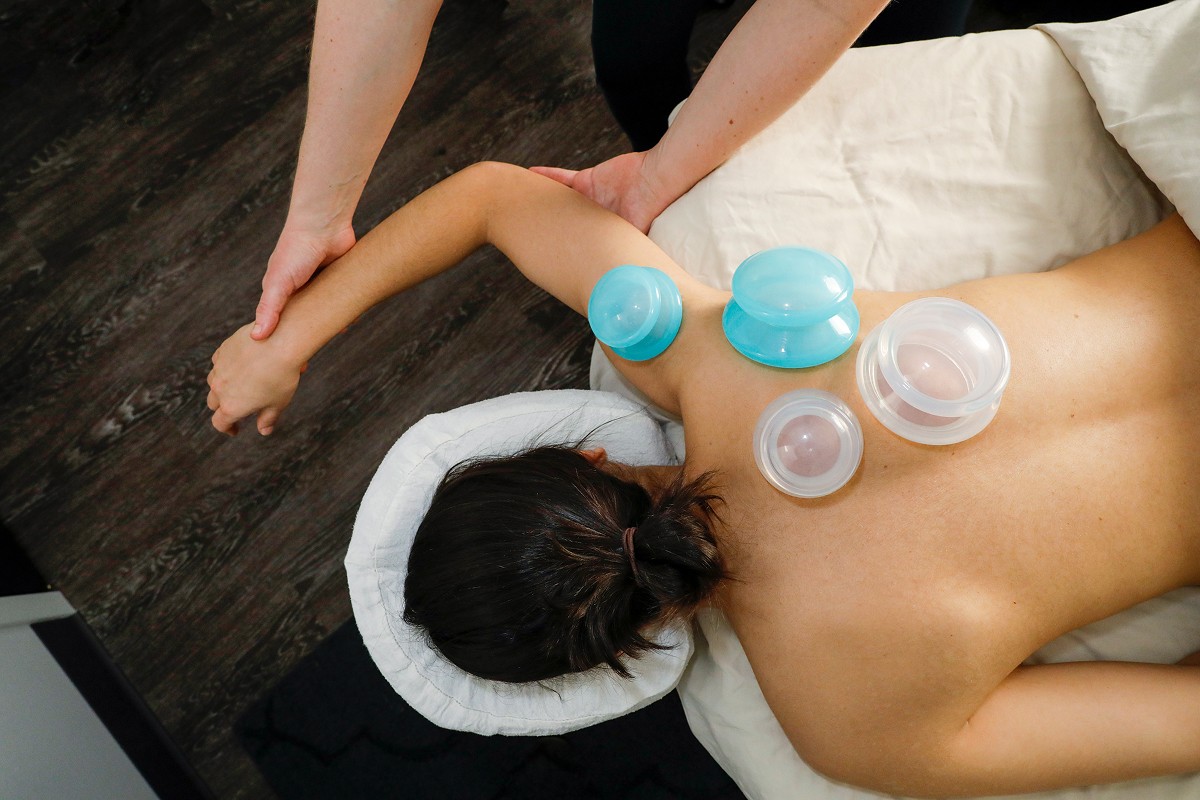
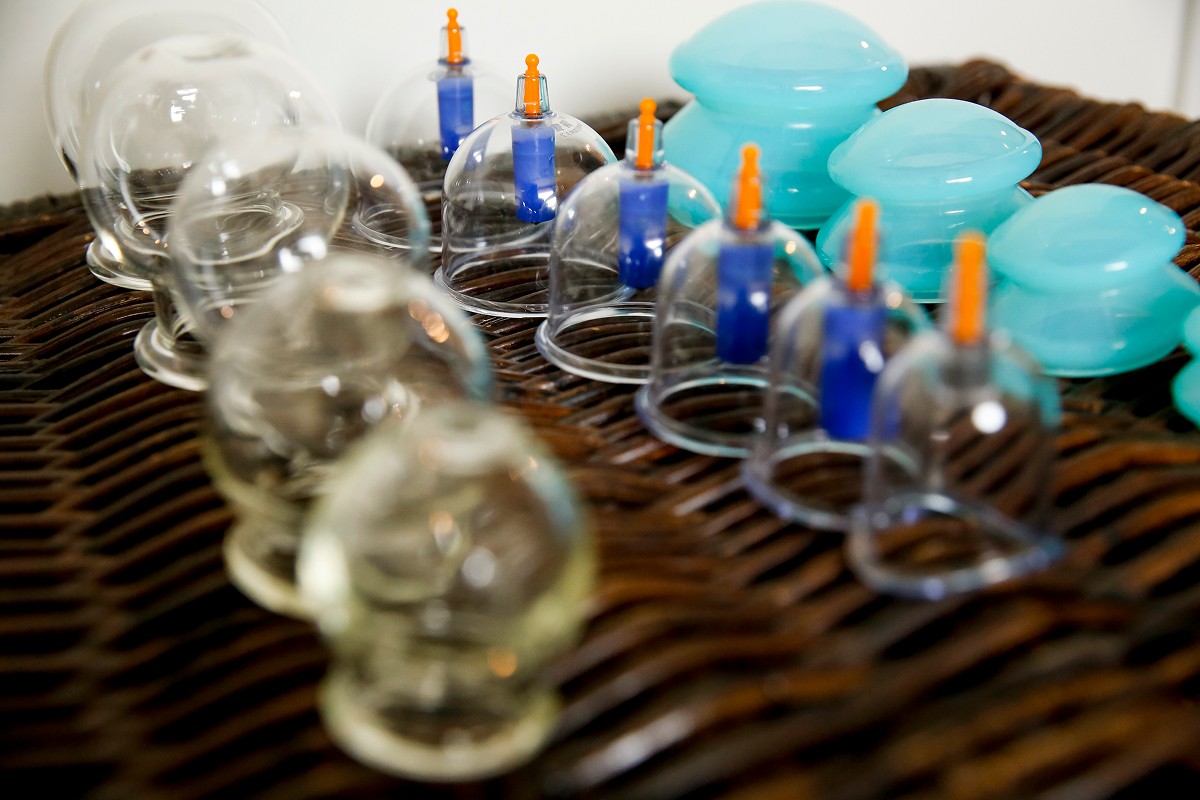
Tell me. We'll start with acupressure, cupping, or gua sha — no needles at all — and work up only if and when you're comfortable. Plenty of my regulars started exactly there.
Curious? Read about acupuncture at Resolution or book a consultation with me. Worst case, you fall asleep on a warm table for a while.

William Black
Licensed Acupuncturist, MAc
William Black is a nationally certified acupuncturist with a Master's in Acupuncture from Pacific Rim College and a background in psychology. His practice draws on acupuncture, cupping, gua sha, moxibustion, and tuina bodywork to restore the body's internal balance. Will specializes in chronic pain, stress, anxiety, neurological conditions, and digestive health.