Acupuncture
Beyond the needle: ear acupuncture, e-stim, and moxibustion
Acupuncture is the headline act, but a working Chinese medicine practice carries a much fuller toolkit. In my sessions at Resolution, needles are often just the beginning — supported by techniques chosen for what your body presents that day. Here are three you might encounter: what each one is, what it feels like, and when I reach for it.
Ear (auricular) acupuncture
The outer ear holds a remarkably dense map of acupuncture points — in the auricular framework, the whole body is represented across the ear's surface. Stimulating selected ear points is a complete treatment style of its own, used for stress, depression, headaches, allergies, addiction and craving support, and pain.
What it feels like: the needles used are even finer and shorter than body needles, and insertion is a quick, light prick. Some practitioners also use tiny press-tacks or seed beads taped to points, which keep working gently for days after you leave — you press them yourself whenever you need the effect refreshed.
Its practical superpower: treatments can be done while you're fully clothed and seated. That makes ear acupuncture easy to add to any session, useful when time is short, and a gentle entry point for people who aren't ready for a full table treatment. There's a reason auricular protocols are used in community clinics and stress-recovery programs worldwide.
Electroacupuncture (e-stim)
Electroacupuncture amplifies a standard treatment: after needles are placed, tiny electrodes are clipped to pairs of them and a very small current runs between each pair. If you're now picturing something dramatic — don't. The current is gentle and adjustable, and we set it together, starting from nothing.
What it feels like: a light tingling, a soft rhythmic tapping, or nothing at all. Many clients find the steady pulse deeply relaxing, the way a repetitive massage stroke is.
When I reach for it: stubborn musculoskeletal pain is the classic case — a rhythmic, sustained stimulus tends to outperform needles alone for pain modulation, because it continuously encourages the body's own pain-relieving chemistry (endorphins and related compounds) for the duration of the treatment. Research on electroacupuncture for various pain conditions is among the more active areas of acupuncture science, and it's now recommended in some conventional settings as a non-drug pain option.
Moxibustion
Moxibustion ("moxa") is heat therapy, and it's much older than any electrical device: the warmth generated by burning dried mugwort leaves — compressed into sticks or cones — is applied near the skin or on the handle of an inserted needle. It never touches you; the tool is the radiant heat itself.
What it feels like: a pleasant, penetrating warmth that sinks in deeper than a heating pad seems to. The herb has a distinctive earthy, campfire-adjacent smell that most people come to love — it's the signature scent of a traditional acupuncture clinic.
When I reach for it: in traditional terms, moxa is the tool for conditions of depletion and deep cold — the client who is always exhausted, always chilled, always running on empty; the low back that craves heat; joints that stiffen in a Wisconsin winter. It has a pleasantly invigorating effect on the body, and it can be added to almost any acupuncture treatment when appropriate.
How these fit into your treatment
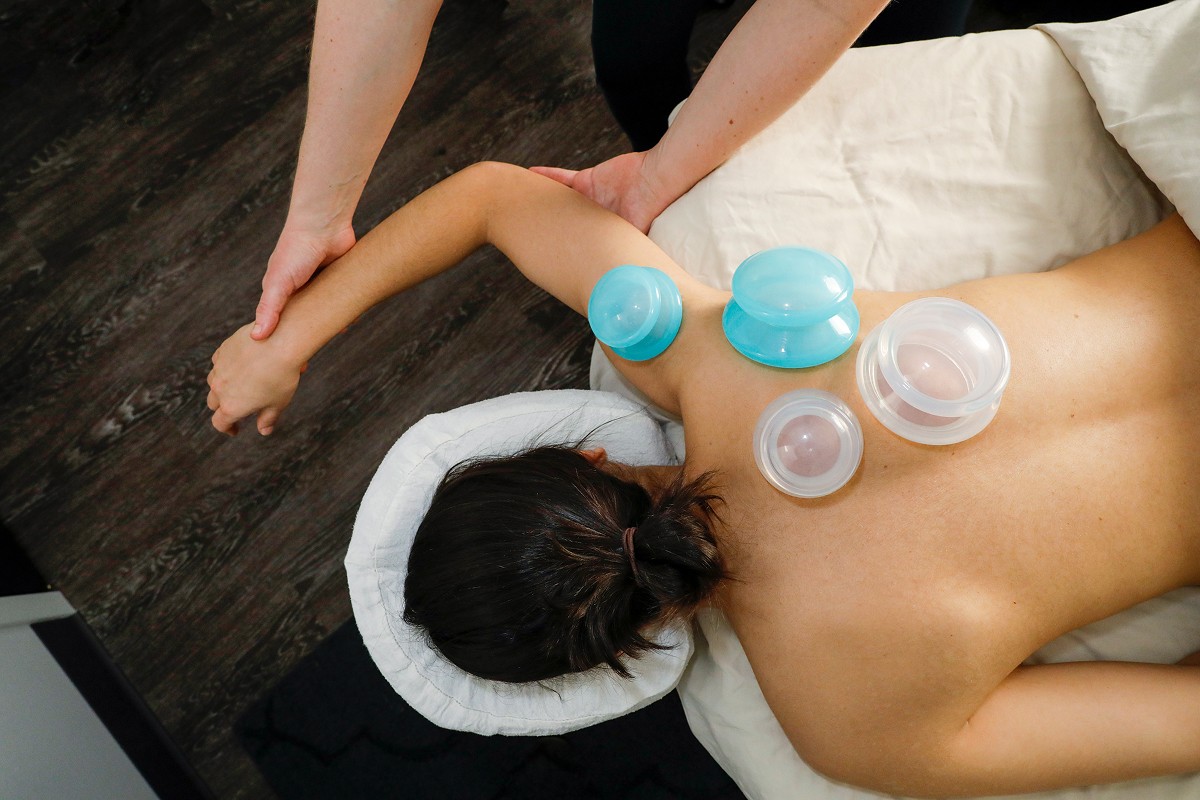
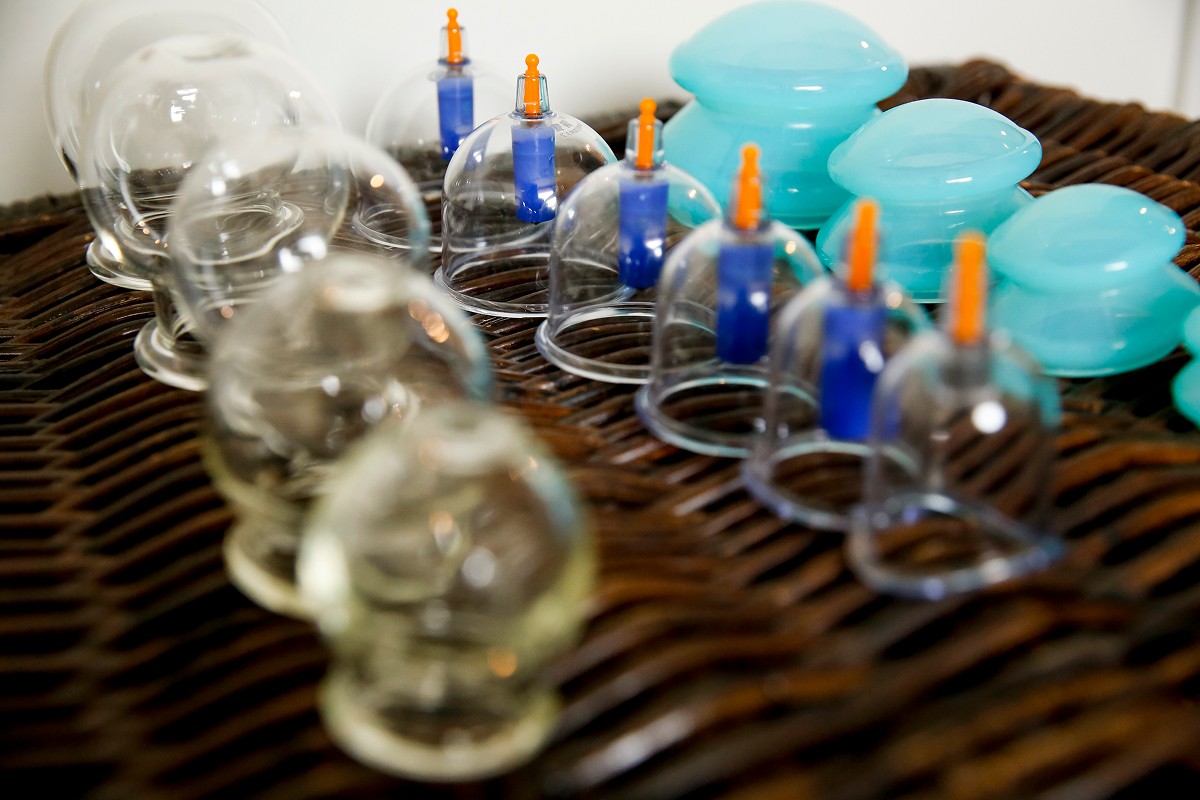
Here's the important part: you don't need to order any of this à la carte, and there's no upcharge menu. Selecting tools is simply part of an acupuncturist's job — some sessions are needles only, some add heat or stimulation, some lean on cupping or gua sha instead, and some skip needles entirely for clients who prefer that. The choice follows from your situation that day.
Your first visit at Resolution is a consultation with treatment — a full conversation about your health history and goals, followed by treatment the same day. That's where we map which of these tools your situation calls for, and in what order.
Common questions
Do these cost extra?
No. They're part of treatment when appropriate — Consultation with Treatment is $115 for new clients, and ongoing sessions are $85.
Can I get these without needles?
Largely, yes. Moxa, cupping, gua sha, and acupressure all work needle-free, and ear treatment can use press-seeds instead of needles. If needles aren't your thing (yet), say so — there's a full session available without them.
Is the mugwort smoke an issue?
We use it thoughtfully — smokeless moxa options exist, and ventilation matters. If you have asthma, smoke sensitivity, or just don't care for the scent, tell me and we'll choose accordingly.
Curious which of these your body would thank you for? Book a consultation with me — bring your questions, and your skepticism too. Both are welcome on the table.

William Black
Licensed Acupuncturist, MAc
William Black is a nationally certified acupuncturist with a Master's in Acupuncture from Pacific Rim College and a background in psychology. His practice draws on acupuncture, cupping, gua sha, moxibustion, and tuina bodywork to restore the body's internal balance. Will specializes in chronic pain, stress, anxiety, neurological conditions, and digestive health.