Therapeutic Techniques
Gua sha explained: what it is, how it works, and what the marks mean
If you've seen photos of someone's back after gua sha — those dramatic red streaks — you might assume it's painful, extreme, or purely an Instagram phenomenon. In practice, gua sha ("gwah shah") is one of the gentler-feeling tools in Traditional Chinese Medicine, one of the oldest, and one of the most immediately satisfying for tight, overworked tissue. Here's what it actually is, what those marks mean, and how to know whether it's a fit for you.
What gua sha is
Gua sha is a common practice in Traditional Chinese Medicine used to get blood moving again so the body can recover from injury and overuse. The name is descriptive: gua means to scrape or press-stroke; sha refers to the redness the technique raises. Practitioners have used versions of it for many centuries — this is ancient technology that happens to photograph dramatically.
What happens in a treatment
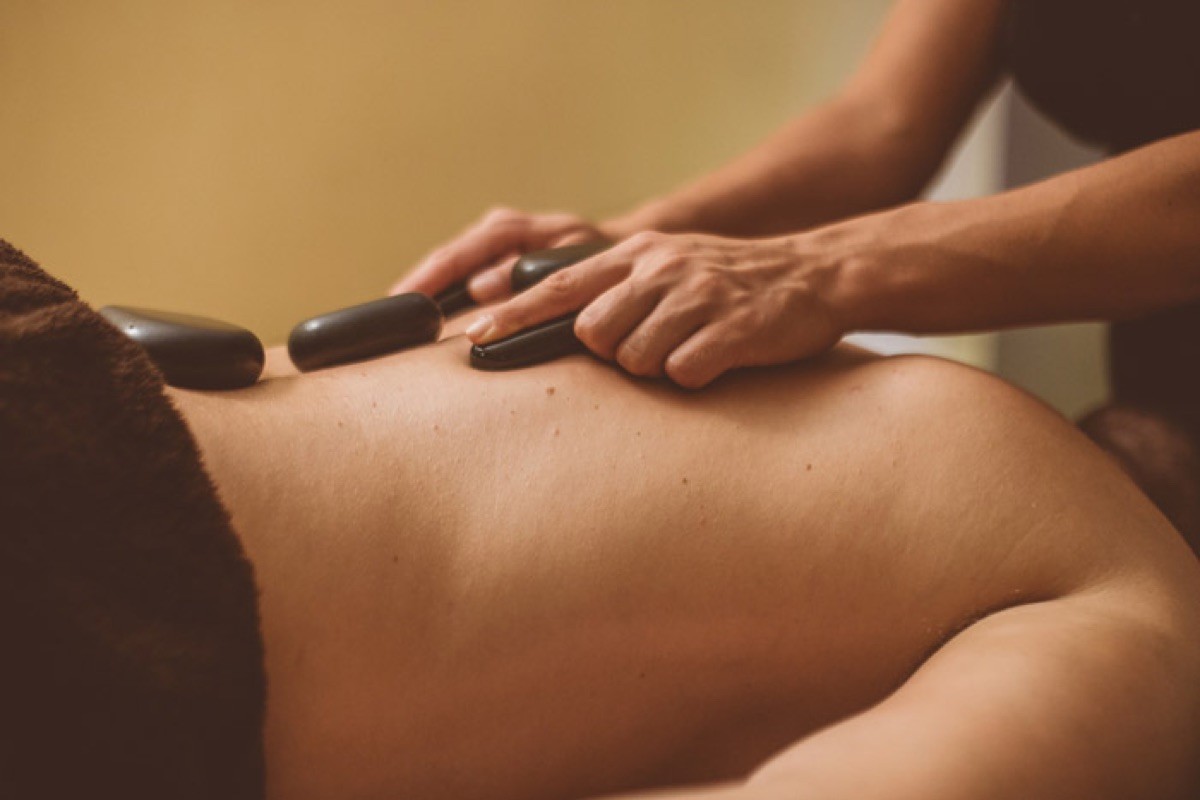
Massage oil is applied to the area being treated so the tool glides rather than drags. Then a smooth-edged instrument — traditionally stone or horn, today often stainless steel — is drawn across the skin in short or long strokes, typically over the painful area or along the back parallel to the spine. Strokes are repeated in one direction, and the practitioner works systematically through the region.
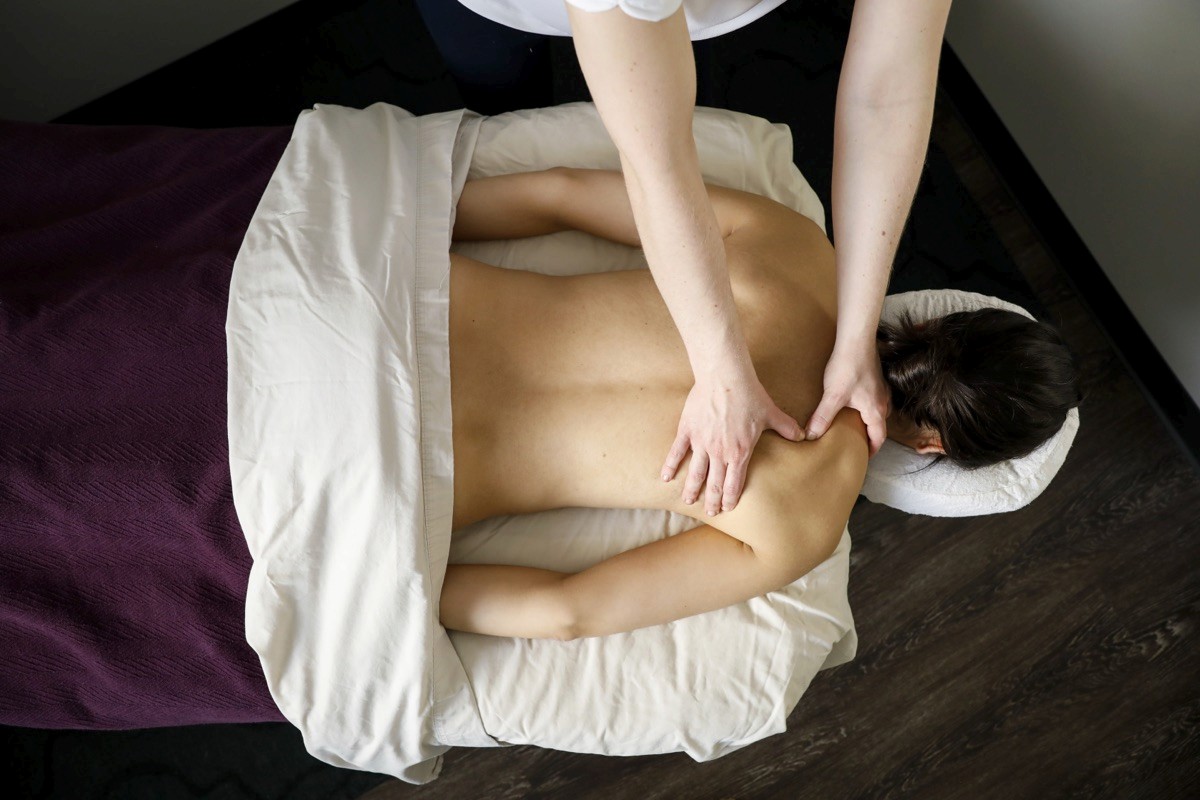
The pressure is firm but shouldn't be painful; most people describe it as intense in the satisfying way a deep massage stroke is intense — followed quickly by warmth and a sense of looseness in the area. A treatment area might take five to fifteen minutes, often woven into a longer bodywork or acupuncture session.
About those marks
The strokes create raised redness or bruise-like marks — the sha. Two things to understand about them:
They aren't true bruises. A bruise is trauma — broken vessels from impact. Sha is blood drawn to the surface through intact tissue by repeated friction; there's no injury underneath, and the area typically isn't tender the way a bruise is.
They're informative. In the traditional framework, the color and density of the sha tells the practitioner something about the condition of the underlying area — long-standing, stagnant restrictions tend to mark darker and more densely than fresh, minor ones. The change in color over a course of treatments is part of what we watch.
The marks usually fade within two to four days. If you have an event, a wedding, or a backless-dress situation coming up, schedule accordingly — or tell us, and we'll work areas that won't show.
Gua sha vs. cupping
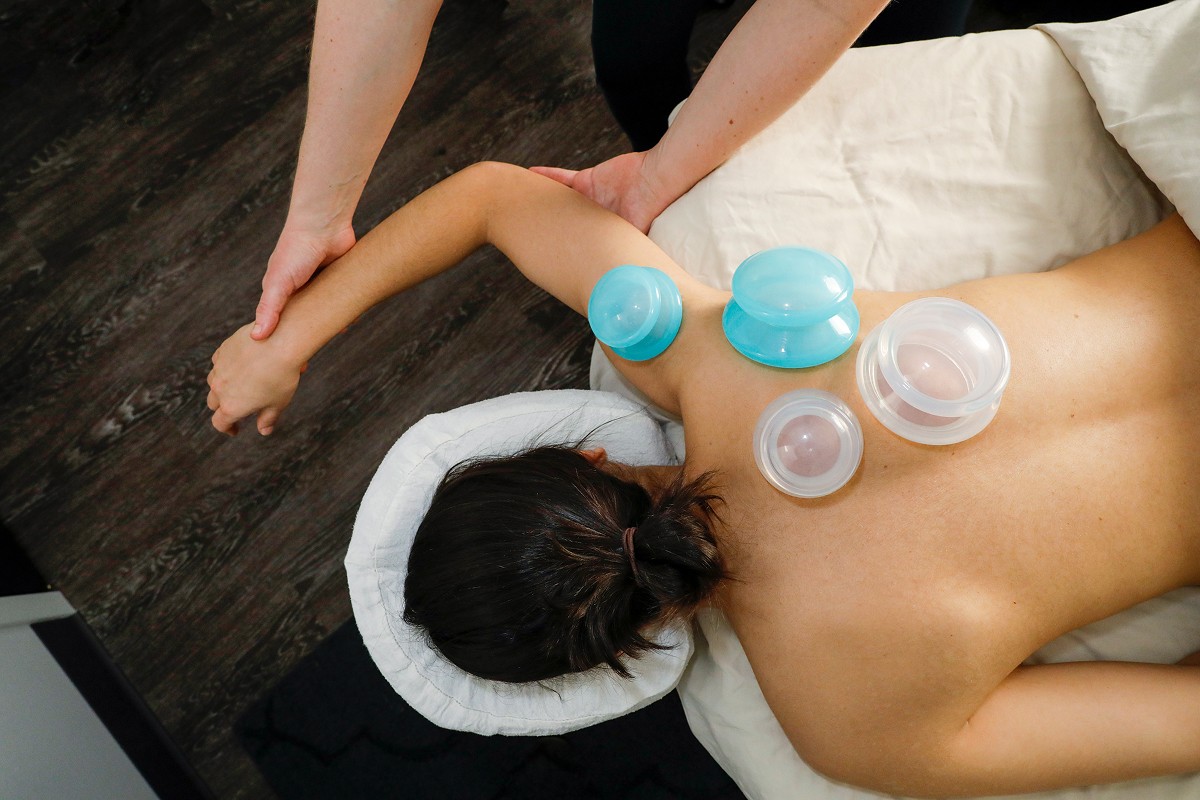
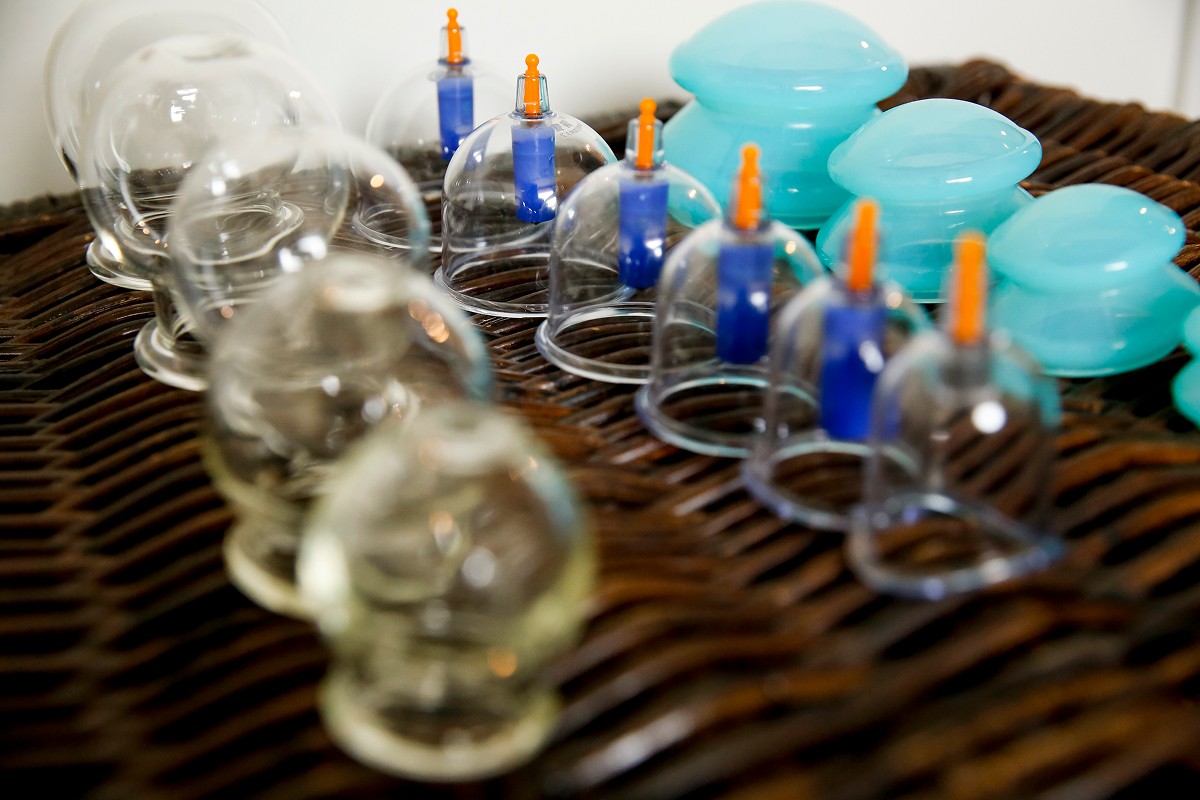
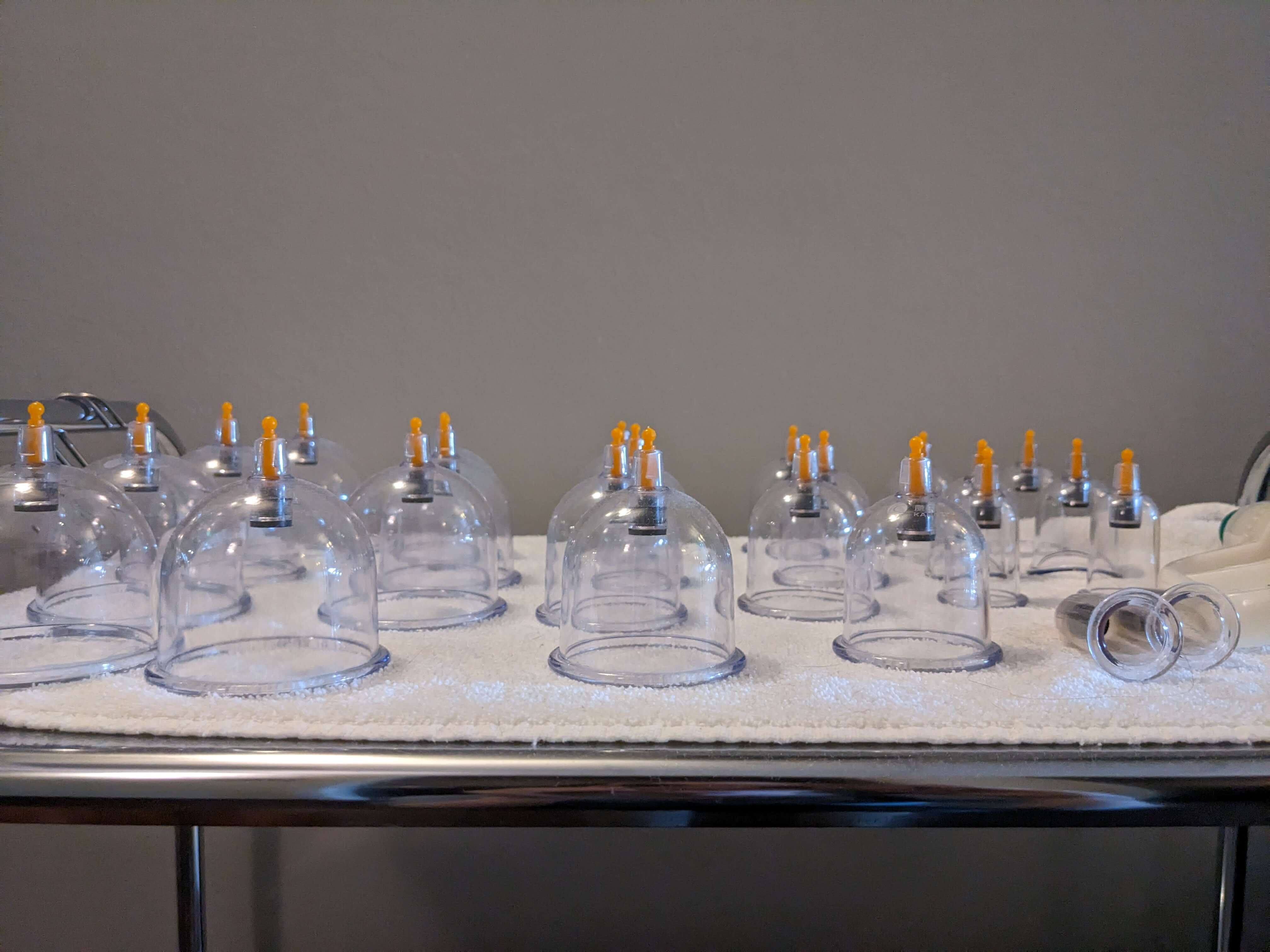
The two are cousins, and we use both at Resolution. Both are TCM techniques for moving blood and releasing restricted tissue; both leave temporary marks; both feel like variations on deep tissue work. The practical difference: cupping uses suction to pull tissue upward and works deeper into muscle and fascia, while gua sha works across the surface with directional strokes — better for broader regions and for following the line of a muscle. Which suits you depends on the area, the condition, and honestly, personal preference. Many treatments use both; if you're curious how cupping compares in detail, we've written about cupping here.
What people use it for
Chronic neck and shoulder tension — the classic desk-worker pattern, and probably the most common request.
Back tightness and stubborn, broad restrictions that respond slowly to hands alone.
Recovery from overuse — athletes use gua sha to address tissue that's lost its glide after heavy training.
The early achy stage of a common cold — a traditional use that many clients still swear by for the upper-back heaviness that comes with it.
Aftercare
Stay warm and dry after your session — traditional practice considers the treated area temporarily vulnerable to cold and wind, so cover up on the way out.
Skip the shower for about 12 hours, and avoid swimming, saunas, and ice on the area the same day.
Drink water and take it easy. Some people feel pleasantly tired afterward, similar to post-massage.
Let the marks fade on their own schedule — no scrubbing, no worrying.
Who should skip it
Gua sha isn't used over broken or fragile skin, sunburn, rashes, or varicose veins, and it's approached cautiously (or skipped) if you take blood thinners, have a bleeding or clotting disorder, or bruise very easily. This is exactly the kind of thing we screen for — mention medications and skin conditions at intake and we'll plan around them.
Common questions
Does it hurt?
It's firm and friction-y — "intense but good" is the usual review. If it ever crosses into genuinely painful, say so; pressure adjusts in seconds.
Is the facial gua sha on social media the same thing?
Same tool family, very different treatment. Cosmetic facial gua sha uses feather-light strokes for puffiness and circulation. Therapeutic gua sha — what we're describing here — is deeper work on muscle and fascia. Both are legitimate; just don't expect one to feel like the other.
How do I try it?
Gua sha is available as part of acupuncture sessions and bodywork at Resolution — ask for it when you book, or start with an acupuncture consultation and we'll decide together whether it belongs in your plan. Book online here.
William Black
Licensed Acupuncturist, MAc
William Black is a nationally certified acupuncturist with a Master's in Acupuncture from Pacific Rim College and a background in psychology. His practice draws on acupuncture, cupping, gua sha, moxibustion, and tuina bodywork to restore the body's internal balance. Will specializes in chronic pain, stress, anxiety, neurological conditions, and digestive health.