Massage Education
Sports massage for runners and athletes: what it does (and doesn't do)
Madison is a training town — marathoners on the Lakeshore Path, cyclists heading out to Paoli, a serious triathlon community, and every winter, cross-country skiers counting down to Birkie. Sports massage has a permanent place in many of these athletes' routines. It also has a fair amount of mythology attached to it. This post covers what sports massage actually is, what the evidence supports, and how to time it around your training — including the mistakes we most often see athletes make.
What sports massage actually is
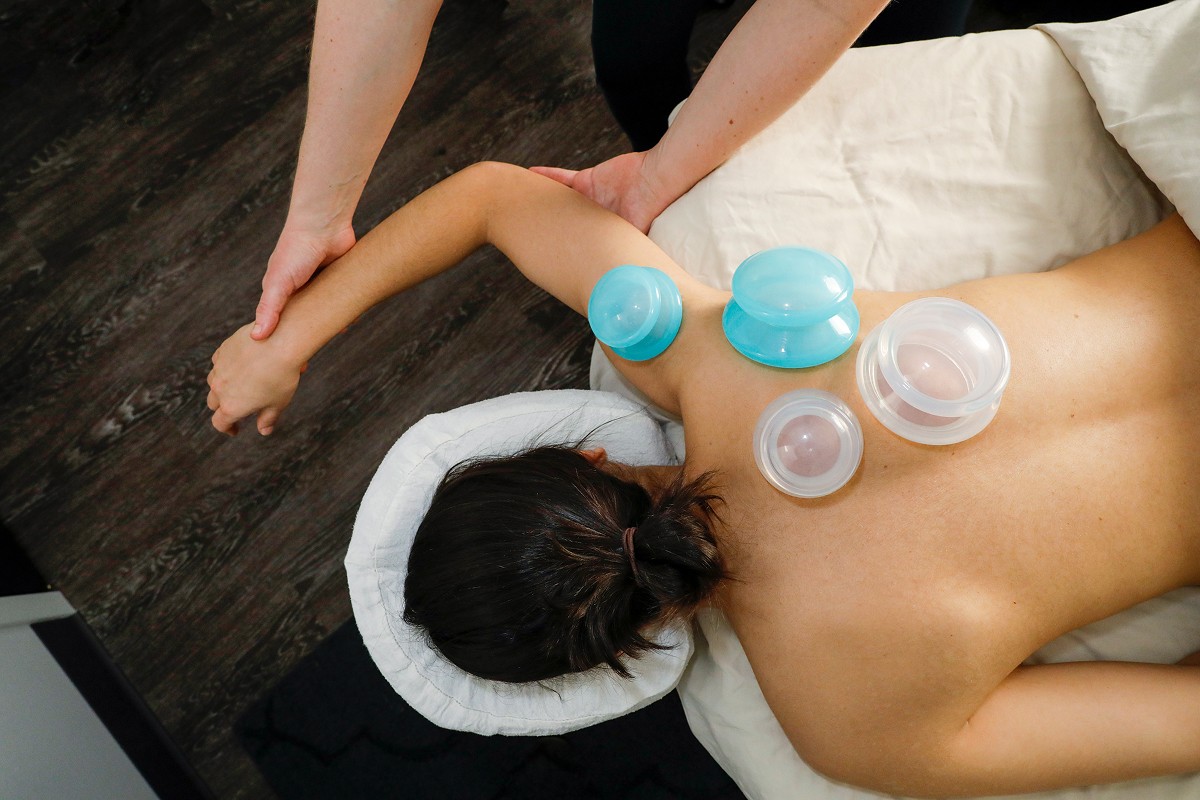
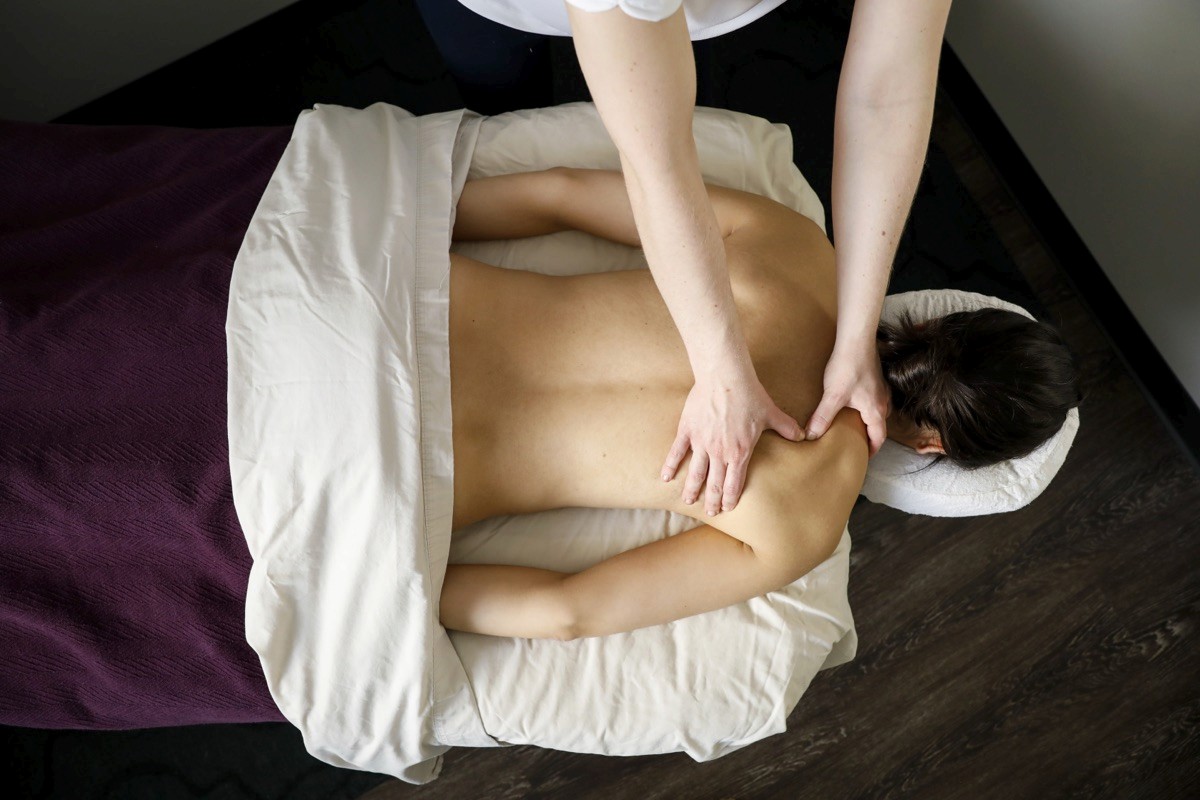
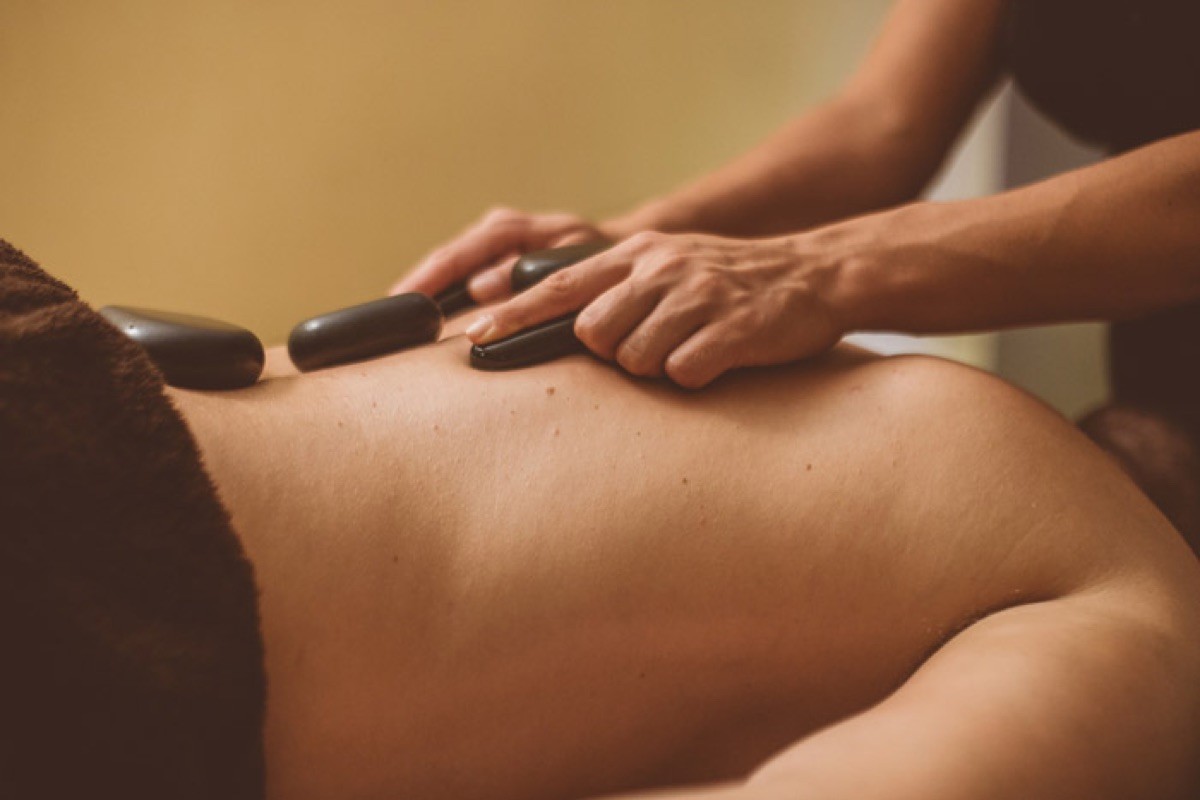
Sports massage isn't a single technique. It's a targeted session built around your sport and your current training load, usually combining deeper work on overworked muscle groups, techniques to address restricted range of motion, and attention to the specific asymmetries your sport creates.
For a runner that often means calves, hamstrings, hip flexors, and glutes. For a cyclist: hips, quads, and the thoracic spine that spends hours rounded over handlebars. For swimmers: shoulders, lats, and the rotator cuff. A good sports session starts with a conversation about your training — what's ramping up, what's nagging, what event is coming — and the work follows from that.
What it can realistically do
Reduce perceived soreness. This is where research is most consistent: massage after hard efforts reliably reduces how sore athletes feel over the following days. For athletes in heavy blocks, that alone can protect the quality of the next workout.
Restore range of motion. Focused work on tight tissue helps you keep the positions your sport requires — a full stride, a comfortable aero position, an overhead reach that doesn't fight you.
Catch problems early. A therapist who works on you regularly will often notice a cranky spot — extra tone in one calf, a hip that's suddenly guarding — before it becomes an injury. This early-warning value is genuinely underrated. Your body compensates quietly until it can't.
Support the mental side. Scheduled recovery is one of the few forcing functions that makes driven athletes actually rest. Don't underestimate that.
What it doesn't do
Honesty matters here, because sports massage gets oversold. Massage doesn't flush lactic acid — lactate clears on its own within about an hour of exercise, no hands required. It doesn't "break up" scar tissue in any literal mechanical sense. And it isn't a substitute for progressive training, sleep, fueling, or a sports-medicine physician when something is genuinely injured. If a spot produces sharp pain, changes your gait, or has been getting worse for weeks, get it evaluated — then massage can support the rehab plan rather than mask the symptom.
Timing around races and training blocks
The most common mistake we see: booking the deepest possible massage two days before a goal race. Deep work leaves many athletes feeling flat or tender for a day or two — fine in a training week, terrible on race week.
During training blocks: every two to three weeks works for most athletes, timed after your hardest sessions rather than before them.
Race week: keep any deep, intense work at least three or four days out. Closer to the race, lighter flush-style work only — or nothing new at all. Race week is not the time to experiment.
Post-race: give it a day or two before deep work. Immediately after an event, tissue is inflamed and sensitized; gentle work sooner, deeper work later.
Making the most of your session
Tell your therapist three things when you book: what you're training for, when the event is, and what's been complaining lately. That turns a generic massage into a targeted one. And if you're mid-block, mention what tomorrow's workout is — the session should be planned around your training calendar, not the other way around.
Common questions
Should sports massage hurt?
Intense at moments, yes. Bruising, breath-holding pain, no. The "no pain no gain" school of sports massage mostly produces guarded muscles and sore athletes. Communicate — pressure can always be adjusted.
Massage gun or massage therapist?
Both have a place. A percussion gun is great for a quick pre-run wake-up or spot work between sessions. What it can't do is assess: notice asymmetry, find what you didn't know was tight, or work areas you can't reach with good mechanics. Use the gun between appointments, not instead of them.
What length should I book?
If it's one problem area, 30–45 minutes of focused work does a lot. For full-body work during heavy training, 60–90 minutes. When in doubt, book 60 and let your therapist advise from there.
Training for something this season? Book a sports massage online and tell us what's on your calendar — we'll plan the work around it.

Damien Hoeppner
LMT, License #17576-146
Damien (they/them) is from the Madison area and trained at the New Hampshire Institute for Therapeutic Arts in 2021. They subsequently taught Anatomy and Physiology at that institution and developed curriculum for a more proactive consent-based approach to bodywork. Their practice emphasizes slow, intentional, detail-oriented work for clients seeking deeper body understanding. Damien works with clients managing chronic pain and illness, supports athletes as part of care teams, and helps anyone building a deeper relationship with their body. Damien is fluent in Spanish, currently learning American Sign Language (ASL), and is also a writer and printmaker.