Therapeutic Techniques
What is myofascial release? A therapist's guide to lasting pain relief
You might have heard the term "myofascial release" from a physical therapist, a friend who's really into recovery, or maybe a podcast. But what is it, really? And how is it different from a normal massage?
I've been practicing myofascial release for close to twenty years in Madison, WI. It's one of the most effective things I do, and also one of the hardest to explain to new clients. So here's my attempt.
What is myofascial release?
Myofascial release (MFR) works on your fascia, the connective tissue that wraps around every muscle, bone, nerve, and organ in your body. Think of it as a thin, stretchy casing that holds everything together and helps your body communicate with itself.
Healthy fascia is supple. It slides and glides. But after an injury, surgery, prolonged sitting, repetitive movement, or even ongoing stress, fascia can get tight, sticky, and dehydrated. These restrictions don't show up on X-rays or MRIs, which is part of why they go undiagnosed so often. But your body knows they're there.
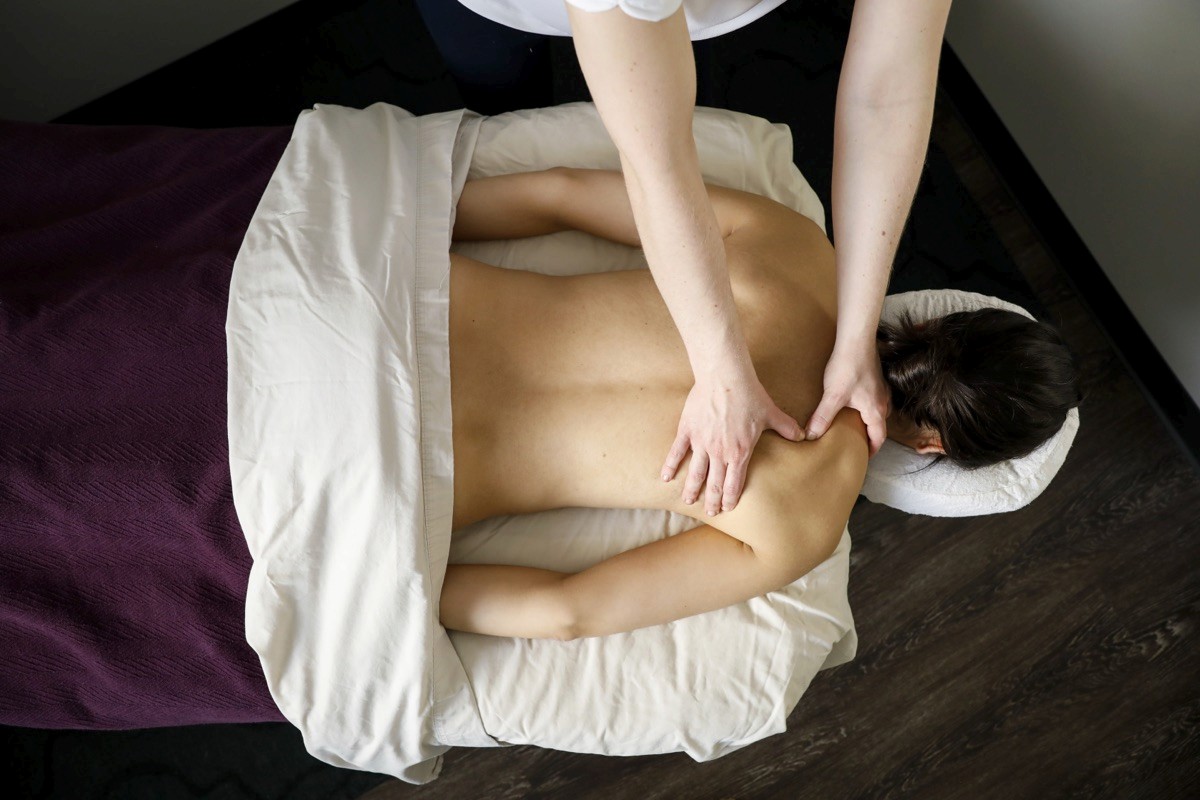
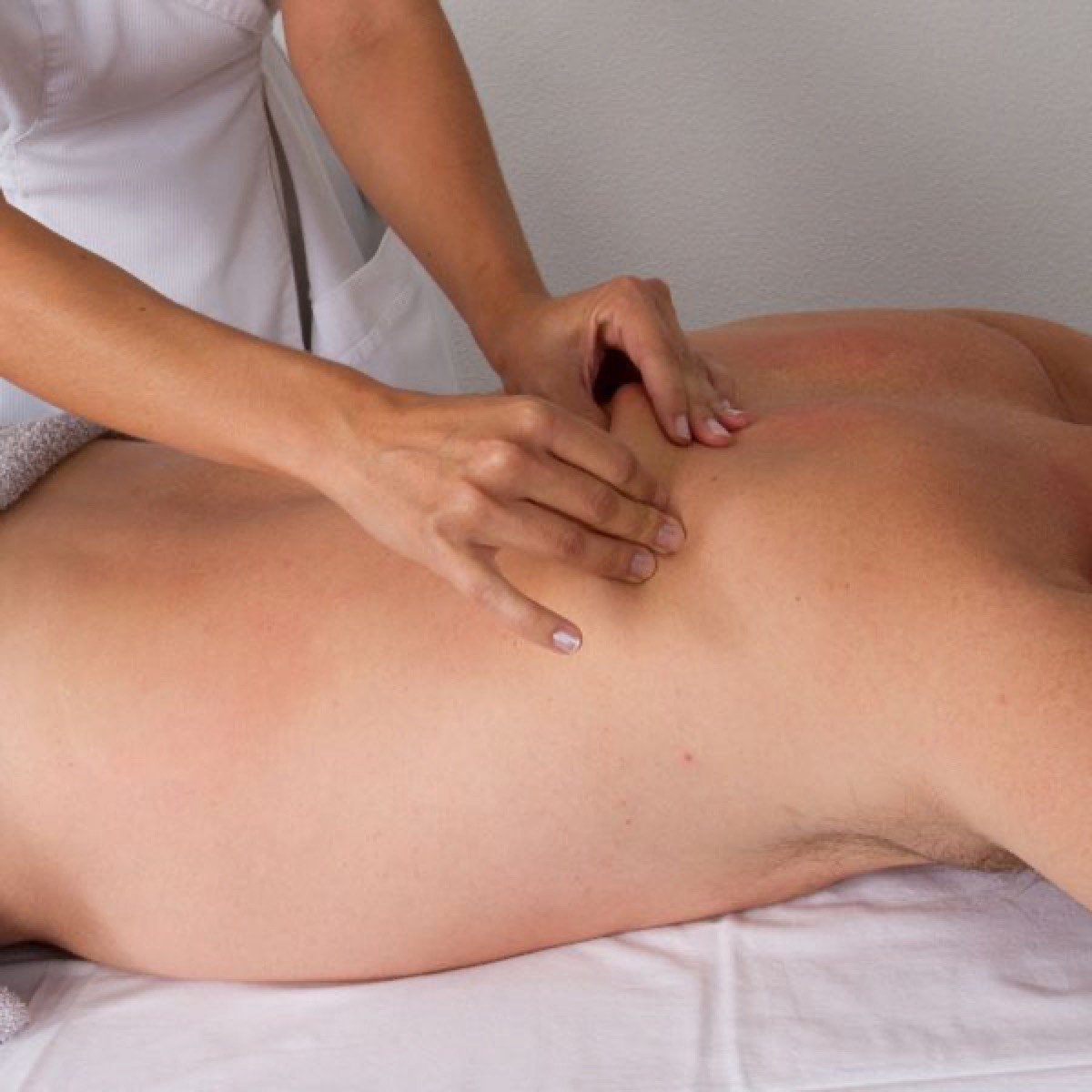
During MFR, I apply gentle, sustained pressure to the restricted areas and hold it. Not for a few seconds. For minutes. The fascia needs time to soften and let go on its own. You can't force it. This is the opposite of deep tissue work, where you're pushing through layers. With MFR, you're waiting, and the tissue decides when it's ready.
How is this different from a regular massage?
Clients at our Madison clinic ask me this all the time. Here's the short version:
The pressure is lighter and held much longer, sometimes 90 seconds to several minutes in one spot. It's slow. Deliberately slow. Sometimes clients tell me they're not sure anything is happening, and then suddenly something shifts.
I also don't use oil or lotion for MFR. I need traction on the skin to engage the fascial layer properly. With oil, my hands would just slide over the surface.
The biggest conceptual difference is that MFR treats the fascial system as one interconnected web. A restriction in your hip might be pulling on your shoulder. A tight jaw might be connected to your lower back. Traditional massage tends to work muscle by muscle. MFR thinks in patterns.
What does it feel like?
You'll feel my hands on your skin with steady, sustained pressure. At first, it might seem like not much is going on. Then, as the fascia starts to release, you'll probably notice a stretching or pulling sensation, maybe some warmth or tingling, and sometimes a sudden feeling of "letting go."
A lot of clients tell me it's actually more relaxing than a traditional massage, which surprises them given how gentle it is. Your nervous system shifts into parasympathetic mode, the "rest and digest" state, and your body just calms down.
You might be a little sore in the treated areas for a day or so afterward. That's normal and clears up fast.
What can myofascial release help with?
In my practice, I've used MFR for a wide range of issues. Here's where I see it make the biggest difference:
Chronic neck and back pain that keeps coming back even after regular massage. This is often a fascial problem, not just a muscle problem.
Headaches and migraines. Fascial restrictions in the neck, shoulders, and jaw contribute to these more than most people realize.
TMJ (jaw pain). The fascia around the jaw and skull gets incredibly tight in some people, causing clicking, pain, and trouble opening fully.
Postural problems. Desk workers and students tend to develop fascial restrictions that slowly pull their body out of alignment. I see this constantly.
Fibromyalgia. The Cleveland Clinic lists MFR as a recommended approach for fibromyalgia pain and stiffness.
Scar tissue. Old surgical scars and injury scars create fascial adhesions that can limit movement and cause pain years later. People are often surprised that their pain traces back to a surgery from a decade ago.
Plantar fasciitis. The word "fascia" is literally in the name. MFR can do a lot for this.
Limited range of motion from injury, surgery, or chronic tension.
MFR vs. trigger point therapy
I use both of these regularly, and people sometimes mix them up. They're different tools for different problems.
Trigger point therapy goes after specific knots in muscle tissue. You press into the knot, hold it, and it releases. It's precise and often gives immediate relief from a particular pain pattern.
Myofascial release zooms out. Instead of targeting one knot, it addresses the wider fascial web. The question isn't just "where does it hurt?" but "what pattern of restriction caused this knot to form in the first place?"
What I usually do is combine them. I'll use trigger point work to handle the acute pain, then follow with MFR to address the bigger picture. This combination, pulling from both Western clinical technique and the whole-body thinking that comes from my background in Eastern medicine, is how I approach most cases at Resolution Therapeutic Massage.
How many sessions will you need?
It depends on how long you've been dealing with the issue.
If something is recent (less than three months), three to six sessions can make a big difference. For chronic conditions that have been building for months or years, you're looking at more like eight to twelve sessions for lasting change, with occasional maintenance after that.
For post-surgical work, timing depends on your surgeon's clearance and the nature of the procedure.
A lot of my Madison-area clients end up incorporating MFR into a monthly wellness routine once we've addressed their main issue. It helps maintain the progress and keeps restrictions from building back up.
Common questions
Is this the same as foam rolling?
Related, but different. Foam rolling is a form of self-myofascial release, and it's fine for maintenance between appointments. But it's broad and imprecise compared to what a trained therapist can do. Foam rolling compresses. Professional MFR stretches and engages specific fascial restrictions with sustained, sensitive pressure. Use your foam roller at home. Come see me for the real work.
Does it hurt?
Almost never. MFR is gentler than deep tissue. You might feel a stretch or some mild discomfort as the tissue releases, but that's about it. A lot of clients are surprised that something so gentle can be so effective.
Can it help with anxiety?
Yes, and more than you might expect. MFR engages your parasympathetic nervous system, which creates deep relaxation. Fascia also holds tension related to emotional stress, and releasing it can bring a real sense of calm. I have clients who book MFR sessions specifically for stress management.
Where can I get myofascial release in Madison, WI?
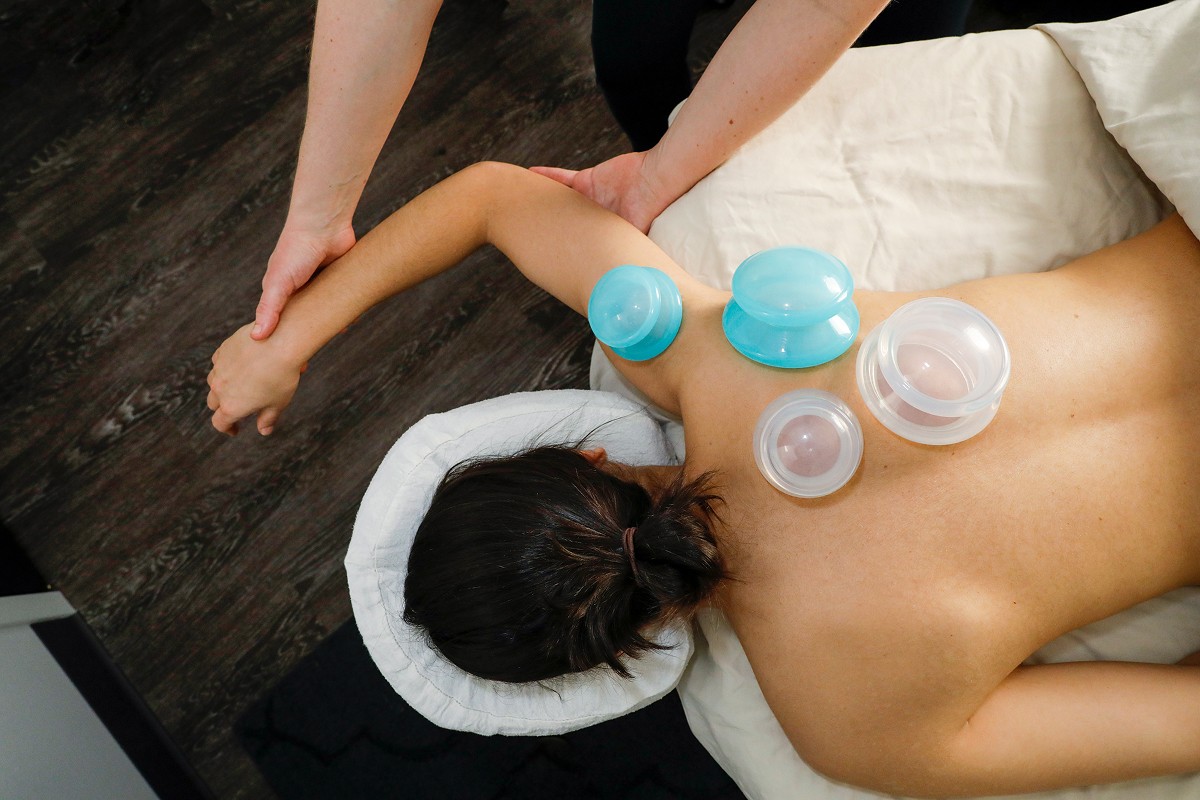
Resolution Therapeutic Massage offers MFR as one of our core services. We're in the Madison/DeForest area and serve clients throughout Dane County, including Waunakee and Sun Prairie. We also offer cupping, trigger point therapy, Gua Sha, Tui Na, and deep tissue work. Book online or call 608-665-0392.

Andrea Keapproth
Founder, LMT, CCT
Licensed massage therapist with close to twenty years of clinical experience in Madison, WI. Board certified through NCBTMB (License #4092-146), specializing in integrative bodywork that combines Western and Eastern techniques. Degrees from Lakeside School of Massage Therapy and UW-Madison.