Massage Education
Hot Stone Massage in Madison, WI | What to Expect
At Resolution, hot stones are offered as an add-on to our massage services: when you book online, simply choose the "Hot Stone add on" option during checkout, and your therapist will have the stones warmed and ready.
Hot stone massage has earned its place as one of the most popular massage experiences—and for good reason. Although it is often associated with luxurious spa days, the technique involves much more than simply placing warm stones on the body.
When performed by a trained massage therapist, hot stone massage combines carefully controlled heat with traditional massage techniques to create a deeply soothing bodywork experience. The warmth can help prepare the muscles for hands-on work while encouraging the body and mind to relax.
Whether you are considering your first hot stone massage or wondering how it differs from a traditional Swedish massage, here is what you should know.
A Practice Rooted in History
People have used heated stones for comfort and wellness in various forms for centuries. Traditions involving warm stones have been associated with cultures in China, India, Hawaii, and Indigenous communities throughout North America.
The contemporary approach to stone massage became widely known in the United States during the 1990s. Massage therapist Mary Nelson developed LaStone Therapy®, a specific method incorporating both heated basalt and cooled marble stones. Her work helped popularize stone-based bodywork throughout the massage and spa industries.
Today, therapists offer many variations of hot stone massage in spas, wellness centers, chiropractic offices, and therapeutic massage clinics.
Why Are Basalt Stones Used?
Not just any stone will do.
Massage therapists commonly use smooth basalt stones, a dense volcanic rock formed from cooled lava. Basalt retains heat well and has a smooth surface that can move comfortably across the skin.
The stones come in different shapes and sizes, allowing the therapist to select the appropriate tool for each part of the body. Larger stones may be used across broad areas such as the back and thighs, while medium stones work well on the arms and calves. Smaller stones may be used around the hands, feet, neck, or other areas requiring more precise contact.
Professional massage stones are selected and polished to create a smooth, comfortable surface without sharp or rough edges.
How Are Massage Stones Heated?
Proper temperature control is one of the most important parts of a safe hot stone massage—and it begins before the client arrives.
The stones are warmed in professional equipment that allows the therapist to monitor and maintain the water temperature. Professional guidelines generally recommend a water temperature between 110 and 130°F, although the temperature of an individual stone will change after it is removed from the heater.
Stone size, intended use, treatment length, and the client's comfort all influence the appropriate temperature. A stone used continuously as a massage tool may need to be handled differently from one placed temporarily over a towel or sheet.
Before a stone touches the client, the therapist checks its temperature. The stones should feel comfortably warm, never painfully hot. Clients should always speak up immediately if a stone feels uncomfortable.
Microwaves, slow cookers, heating pads, ovens, and other improvised heating methods do not provide the level of temperature control needed for professional hot stone massage and can increase the risk of burns.
What Happens During a Hot Stone Massage?
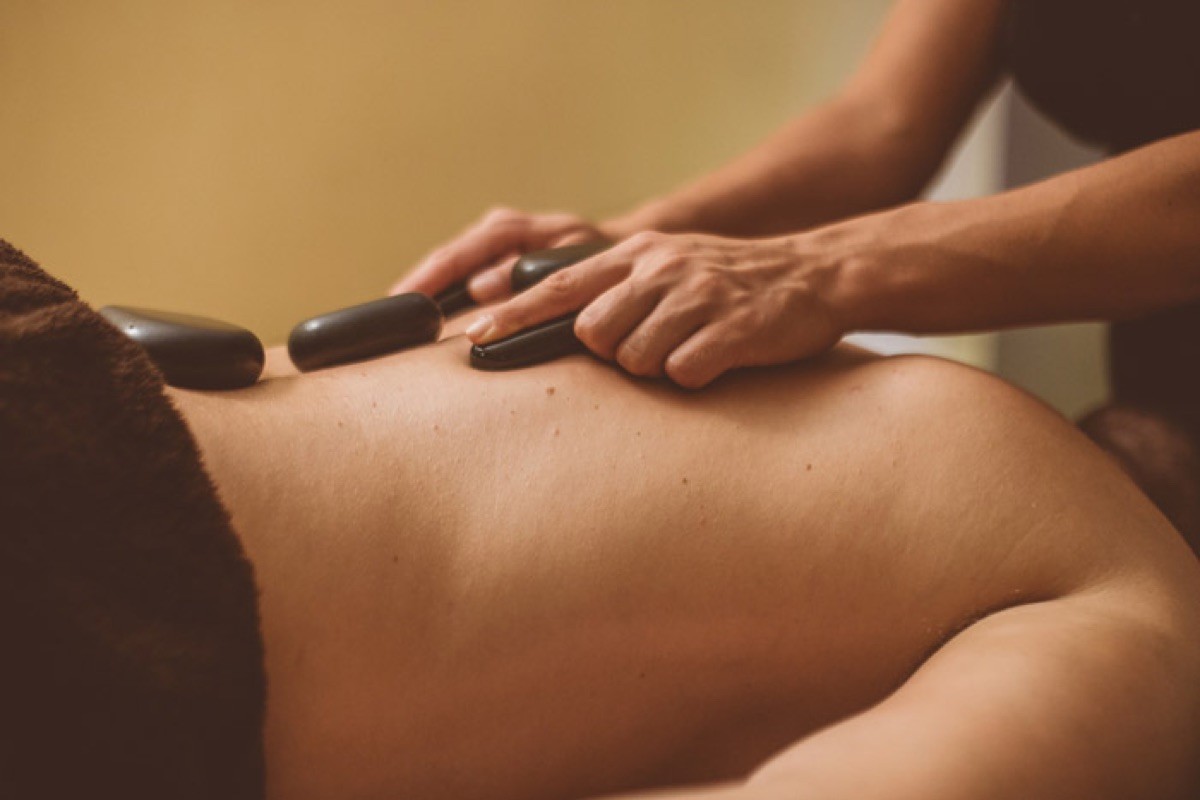
Hot stone massage is much more than placing warm rocks on the body. The stones become an extension of the therapist's hands and are incorporated throughout the massage.
Depending on your needs and the therapist's approach, a session may include:
Placing warm stones over a towel or sheet on selected areas
Using stones to perform long, gliding massage strokes
Alternating between hands-on massage and stone massage
Using broad, even pressure over larger muscle groups
Changing stones throughout the session to maintain comfortable warmth
Adjusting the pressure and temperature based on your feedback
The therapist may use familiar Swedish massage techniques, including long gliding strokes, kneading, and gentle compression. The stones provide broad, even contact that many clients find especially comforting.
Hot stone massage does not necessarily mean deep pressure. The combination of warmth and skilled touch can create a satisfying experience without requiring the therapist to use intense force.
Why Do Clients Choose Hot Stone Massage?
Hot stone massage is particularly popular during colder months, but clients enjoy it throughout the year.
People commonly choose this service to:
Encourage deep relaxation
Ease everyday muscle tension and stiffness
Enjoy the comforting sensation of warmth
Unwind after physically or mentally demanding periods
Support stress management as part of a self-care routine
Experience a different style of massage without necessarily receiving deep pressure
Individual experiences vary, and hot stone massage should not be presented as a treatment for a medical condition. If you are experiencing persistent pain or other symptoms, speak with an appropriate healthcare professional.
Hot Stone Massage vs. Swedish Massage
Both services may include flowing strokes, kneading, and gentle-to-moderate pressure. The primary difference is how heat is incorporated into the session.
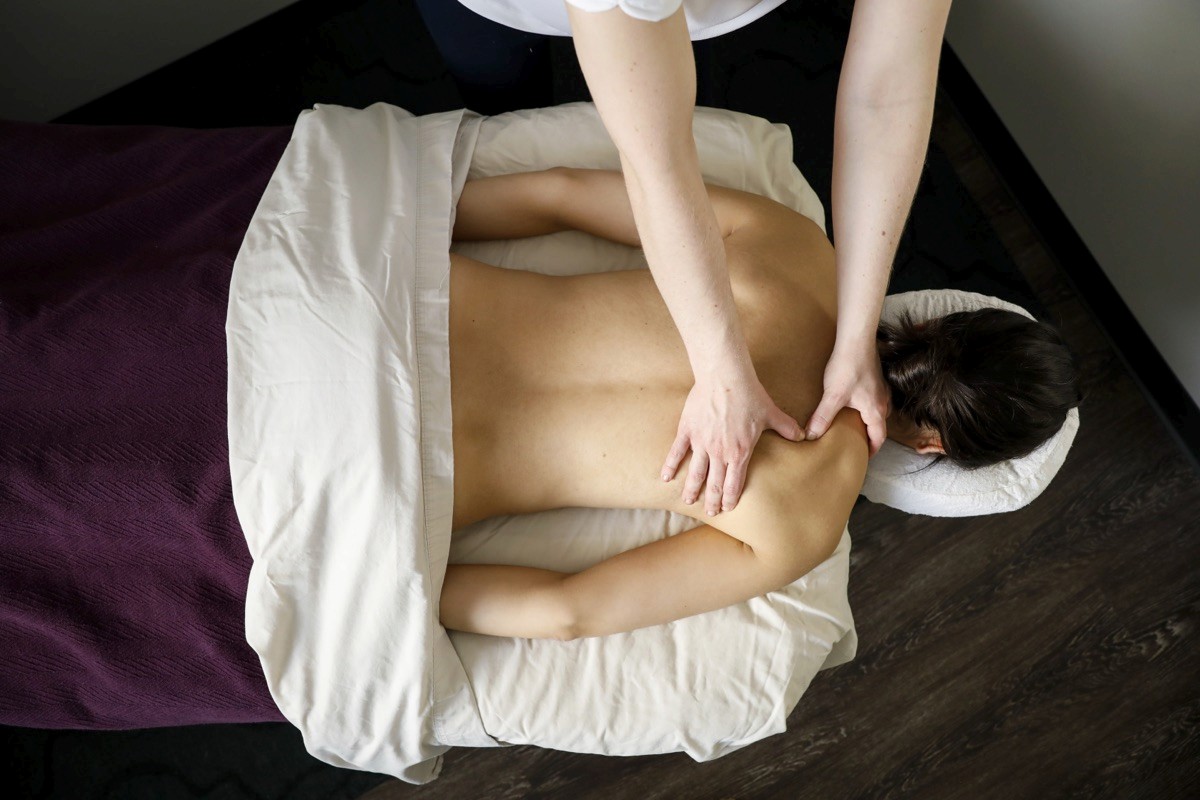
During a Swedish massage, the therapist works primarily with their hands and forearms. During a hot stone massage, warmed stones are also used as massage tools or placed temporarily on selected areas.
If you enjoy warmth and want a deeply calming experience, hot stone massage may be an excellent choice. If you are sensitive to heat or prefer a session focused entirely on traditional hands-on techniques, Swedish massage may suit you better.
When Hot Stone Massage May Not Be Appropriate
Hot stone massage can be enjoyable for many clients, but the added heat requires additional precautions. The service may need to be modified or avoided if you have:
A fever, contagious illness, or active infection
Sunburn, a rash, open wounds, or another active skin condition
A recent injury or area of acute inflammation
Reduced sensation or neuropathy, including diabetic neuropathy
A history of blood clots or deep vein thrombosis
Significant varicose veins in the treatment area
A condition that affects circulation or temperature regulation
An uncontrolled cardiovascular condition
A bleeding disorder or increased bruising risk
A recent surgery that has not fully healed
Difficulty communicating temperature or discomfort
Please tell your therapist about relevant medical conditions, medications, recent procedures, and changes in sensation before your session. When appropriate, we may recommend a modified massage, a service without heat, or clearance from your healthcare provider.
At Resolution Therapeutic Massage, heated stones are not used during pregnancy. Prenatal massage may be a more suitable option and can be adapted to the needs of the pregnant client.
Is Hot Stone Massage Right for You?
Hot stone massage offers a thoughtful combination of controlled warmth and skilled, hands-on bodywork. It may be a wonderful fit if you are seeking relief from everyday tension, looking to add variety to your massage routine, or simply craving a warm and restorative experience.
From the first comforting touch of a warmed stone to the final flowing massage strokes, the session creates an opportunity to slow down, settle in, and let the demands of the day begin to fade.
Curious whether it's the right fit for you? Book online or call us at (608) 665-0392 and we'll help you choose.

Heather Durkin
LMT, License #4688-146
Licensed massage therapist with 8+ years of experience in Madison, WI. Certified in sports massage and fibromyalgia treatment, with specialized experience supporting oncology and chemotherapy patients. Heather focuses on chronic pain, accident recovery, hip and gluteal issues, neck and shoulder stiffness, and carpal tunnel. Graduate of Lakeside School of Massage Therapy and East-West Healing Arts Institute.