Therapeutic Techniques
Lymphatic Drainage Massage: A Madison Therapist's Guide to Gentle Relief
Lymphatic drainage massage gets a lot of attention on social media and in celebrity wellness stories. What usually gets lost in the noise is that this is a real clinical modality, and for certain people it can change what day-to-day life feels like.
I've been practicing as a licensed massage therapist in the Madison area for over eight years, and lymphatic work is one of the modalities I reach for most with clients who have complicated histories — oncology patients, people managing fibromyalgia, post-surgical recovery, chronic swelling. It's gentle, but it does real work.
Here's what it actually is, who benefits, and what to expect if you book a session at Resolution Therapeutic Massage in Madison.
What your lymphatic system is doing, and why it matters
Your lymphatic system is part of your immune system. It runs quietly in the background, doing a few important jobs:
Filtering out bacteria, viruses, and cellular waste
Moving excess fluid out of your tissues
Absorbing fats from your digestive tract
Transporting immune cells where they're needed
When it's working well, you don't notice it. When it gets overwhelmed or damaged — by surgery, cancer treatment, injury, chronic illness, or certain genetic conditions — fluid builds up in tissues. That's where the heaviness, swelling, and achy pain comes from.
What lymphatic drainage massage actually feels like
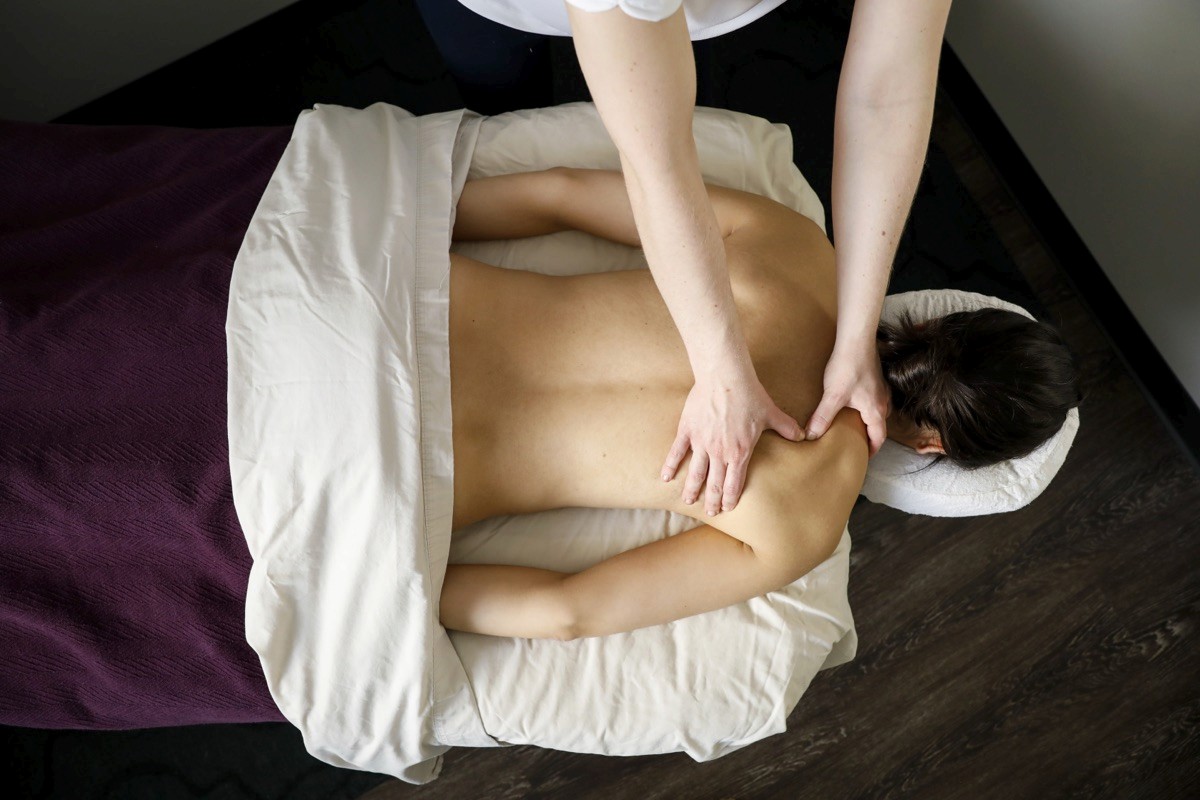
If you've had a deep tissue or Swedish massage before, this will feel completely different. Lymphatic drainage is gentle on purpose. The pressure is light, the movements are slow and rhythmic, and I'm working just under the skin — the lymphatic vessels are that shallow. Going deeper doesn't help; it actually bypasses the tissue we're trying to move.
A typical session is 60 minutes. I follow a specific sequence to first clear the lymph nodes at major junctions (neck, armpits, groin), then gently encourage fluid from swollen or congested areas toward the working nodes. I'll sometimes guide you through a few deep breathing patterns too — the diaphragm is a natural pump for the lymphatic system.
People often tell me it felt more like a deeply relaxing reset than a massage. A lot of clients fall asleep.
Who benefits most from lymphatic drainage massage
In my experience, these are the clients who see the biggest change:
People recovering from cancer treatment or surgery, especially lymph node removal (lymphedema is common after mastectomy, for example)
Fibromyalgia clients — the gentleness is a huge relief when deep tissue work is too much
Post-surgical clients with swelling that won't go down
Chronic venous insufficiency — heavy, achy legs from poor circulation
Rheumatoid arthritis, especially during flare-ups
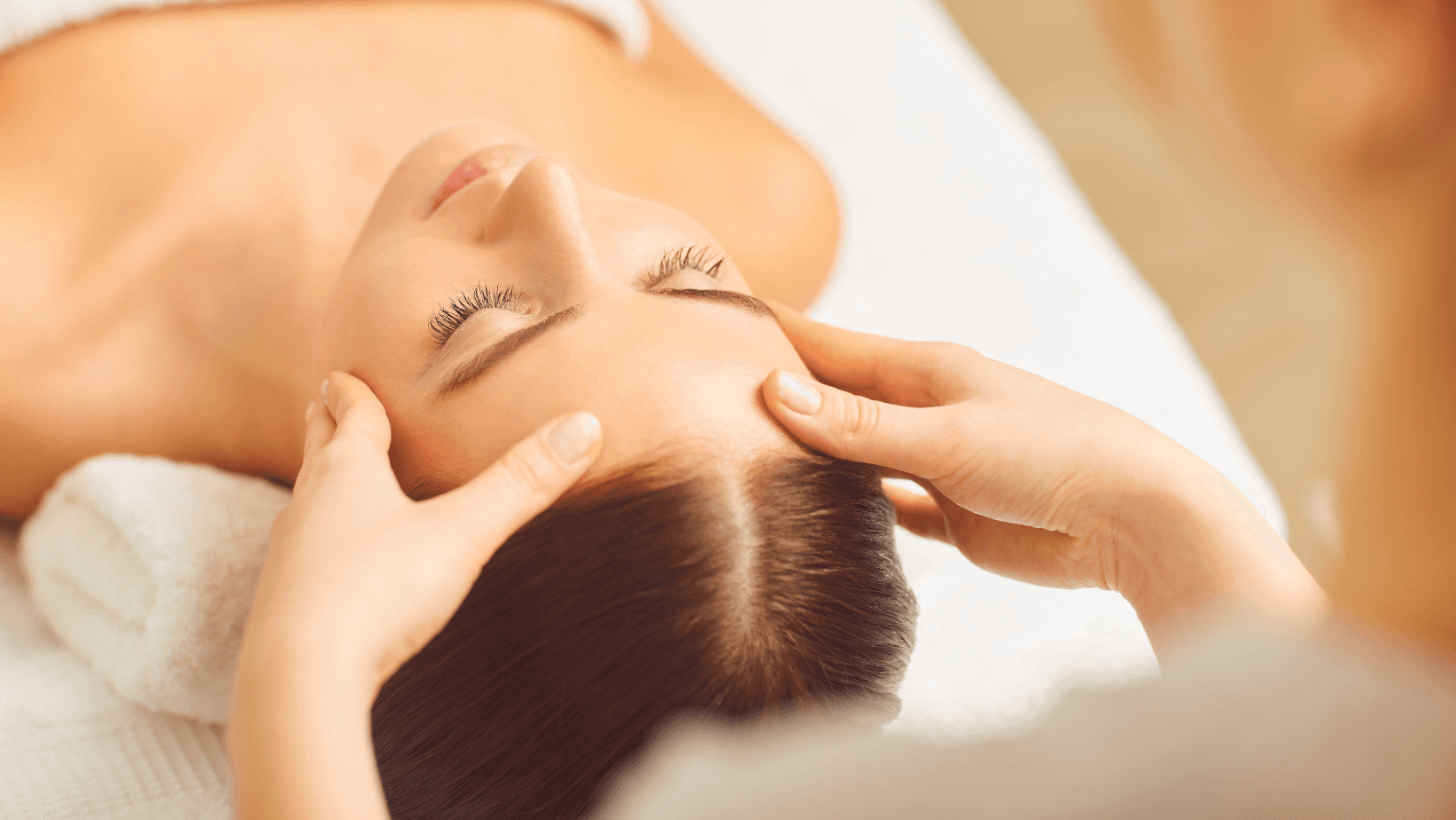
Migraine sufferers — fluid congestion in the head and neck contributes more than most people realize
Anyone recovering from a rough illness who just can't seem to bounce back
I've worked with chemotherapy patients specifically, and this modality is especially valuable during and after treatment. We coordinate carefully with your oncology team and adjust pressure, positioning, and session length to whatever's safe for where you are in treatment.
What you'll probably notice afterward
Most clients leave feeling lighter — not metaphorically, physically. Swollen areas look and feel less puffy. You'll probably need to use the bathroom more than usual over the next few hours; that's the point. I always remind clients to drink more water than usual afterward and take it easy for the rest of the day.
For chronic conditions, one session is helpful but not transformative. I usually recommend a series — weekly or twice-weekly at first, then tapering to maintenance once things stabilize.
When lymphatic drainage isn't the right call
This modality isn't appropriate for everyone. I won't do lymphatic work if you have:
Congestive heart failure
A history of blood clots, DVT, or stroke
Kidney failure
An active infection
If you're not sure whether it's safe for you, bring it up during intake. I'd rather spend ten minutes reviewing your history than do anything that could make things worse.
Common questions
How is this different from a regular massage?
Regular massage works on muscle and connective tissue with moderate to firm pressure. Lymphatic drainage works on the fluid system just under the skin with light, rhythmic pressure. Different tool for a different problem.
How many sessions will I need?
For post-surgical swelling or recovery from an acute issue, three to six sessions is often enough. For chronic lymphedema or ongoing conditions, it's more like an ongoing maintenance practice — weekly at first, then spaced out as symptoms improve.
Can this help with puffiness from stress or diet?
Yes, though that's the least of what it does. If your face or legs feel puffy after a salty meal or a bad night of sleep, one session can help. But the real value of this work is for clinical swelling, not aesthetics.
Where can I get lymphatic drainage massage in Madison, WI?
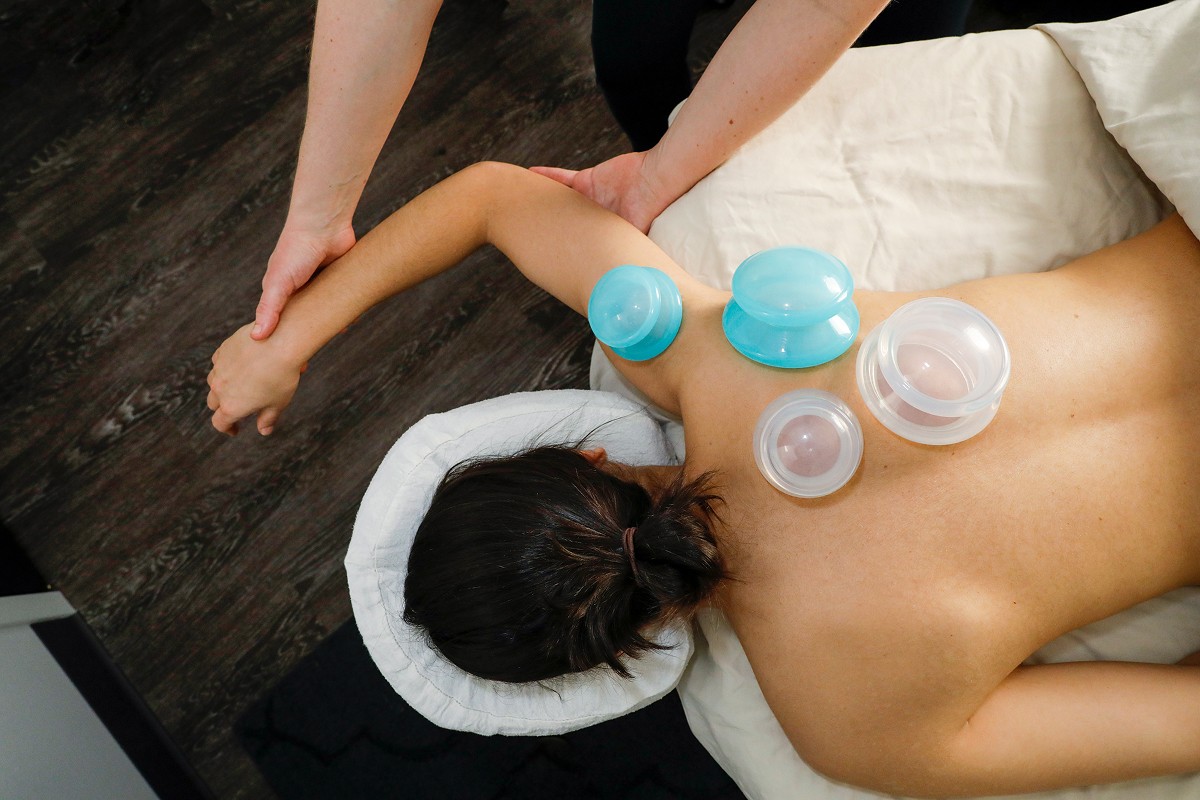
I practice at Resolution Therapeutic Massage in the Madison/DeForest area, and we serve clients throughout Dane County, Waunakee, and Sun Prairie. I can also combine lymphatic work with cupping, oncology massage, or trigger point therapy depending on what your body needs. Book online with me or call 608-665-0392.

Heather Durkin
LMT, License #4688-146
Licensed massage therapist with 8+ years of experience in Madison, WI. Certified in sports massage and fibromyalgia treatment, with specialized experience supporting oncology and chemotherapy patients. Heather focuses on chronic pain, accident recovery, hip and gluteal issues, neck and shoulder stiffness, and carpal tunnel. Graduate of Lakeside School of Massage Therapy and East-West Healing Arts Institute.