Acupuncture
What Is Acupuncture and What Does It Feel Like?
Acupuncture is the insertion of very fine needles, classically referred to as hao zhen (毫針), or "hair needles," to balance the flow of qi and blood in the body. In Chinese medicine, health depends on the smooth circulation of these substances. When circulation becomes blocked, deficient, or excessive, symptoms can arise.
The needle may feel like a small pinch or mosquito bite, but many people are surprised by how little they feel. Once the needle is inserted, patients often report light electrical sensations traveling through different areas of the body, warmth or coolness around a point, a dull ache in a tight muscle, or sometimes an immediate sense of relief. The needles are then left in place to do their work.
During this time, many people enter a deeply relaxed state. Patients often describe feeling less caught up in their thoughts, more connected to their bodies, or even as if they are floating. The experience can be very different from person to person, but deep relaxation is one of the most common effects of treatment.
What Is It Good For?
Acupuncture has been practiced for thousands of years and has been used historically for a wide variety of conditions. Today, it is perhaps best known for its effectiveness in treating pain conditions, but it is also commonly used for fertility support, digestive issues, migraines, nervous system dysregulation, stress, anxiety, and general wellness.
One of the unique aspects of acupuncture is that treatment can be both highly specific and broadly supportive. Someone may come in seeking relief from neck pain, migraines, or menstrual symptoms, while also noticing improvements in sleep, stress levels, digestion, or overall well-being.
How Is It Practiced?
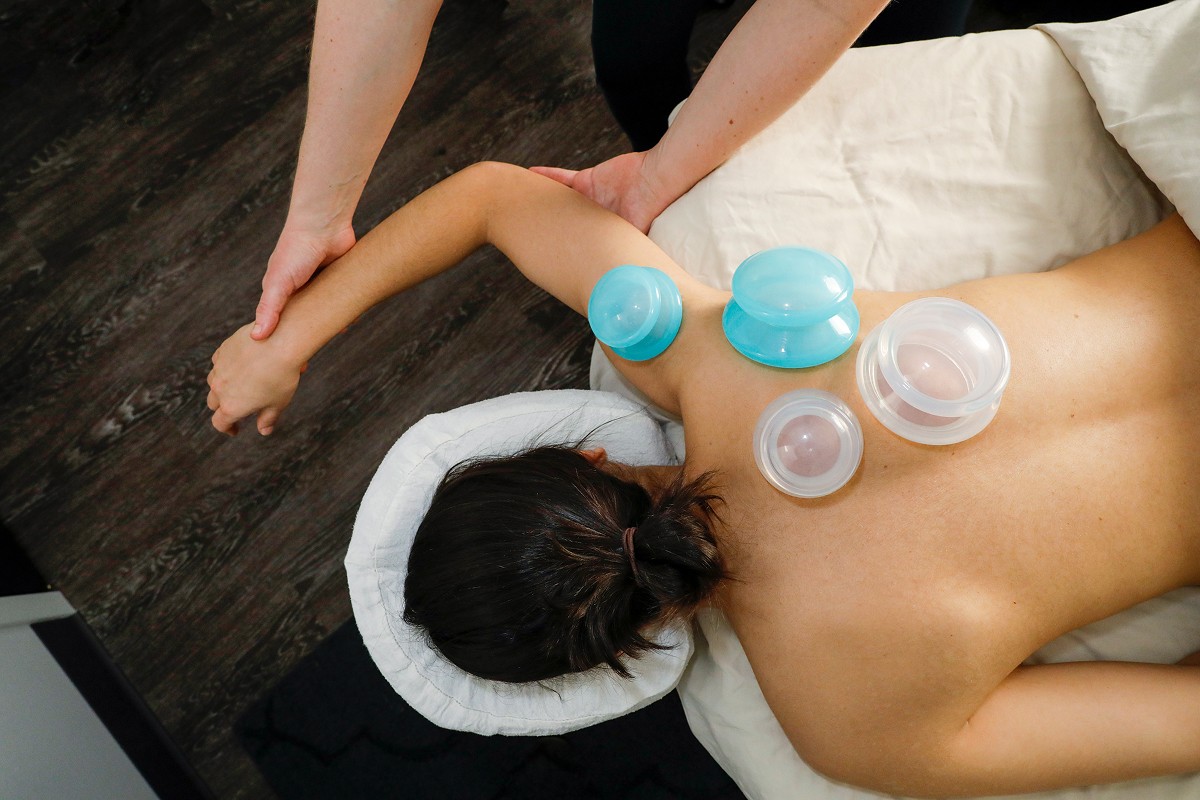
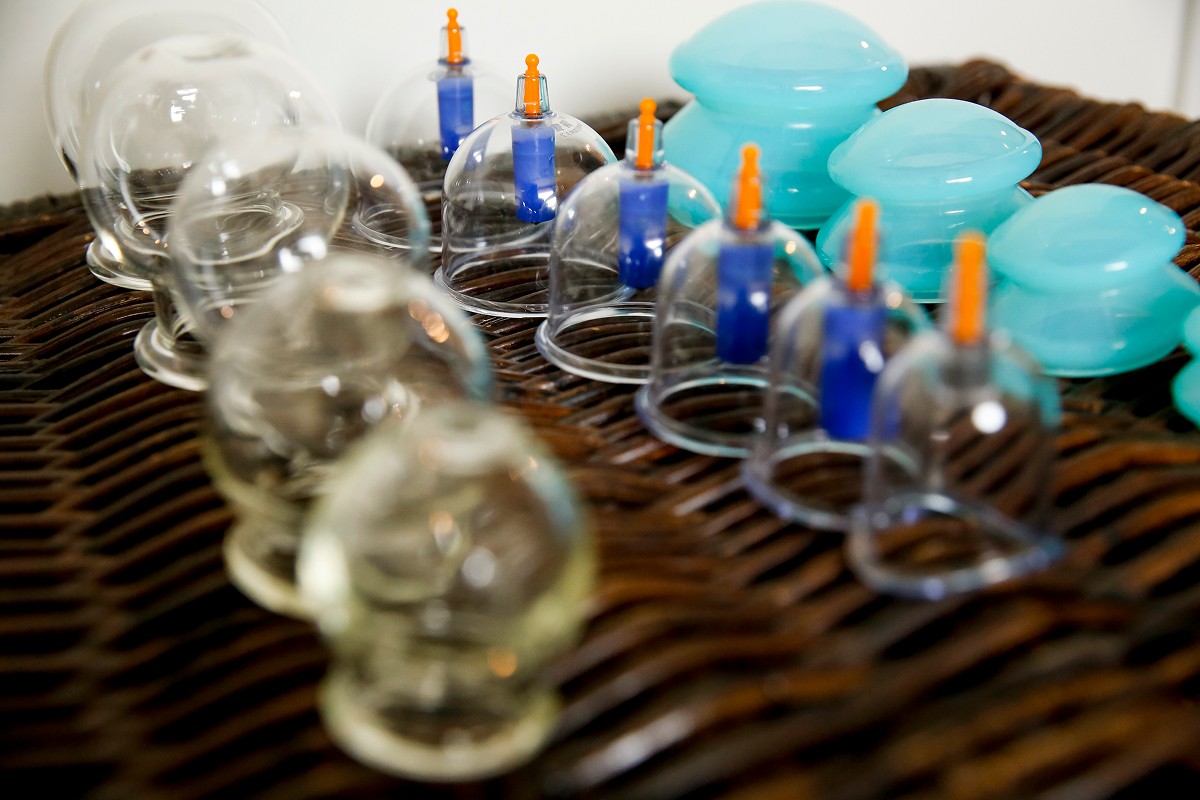
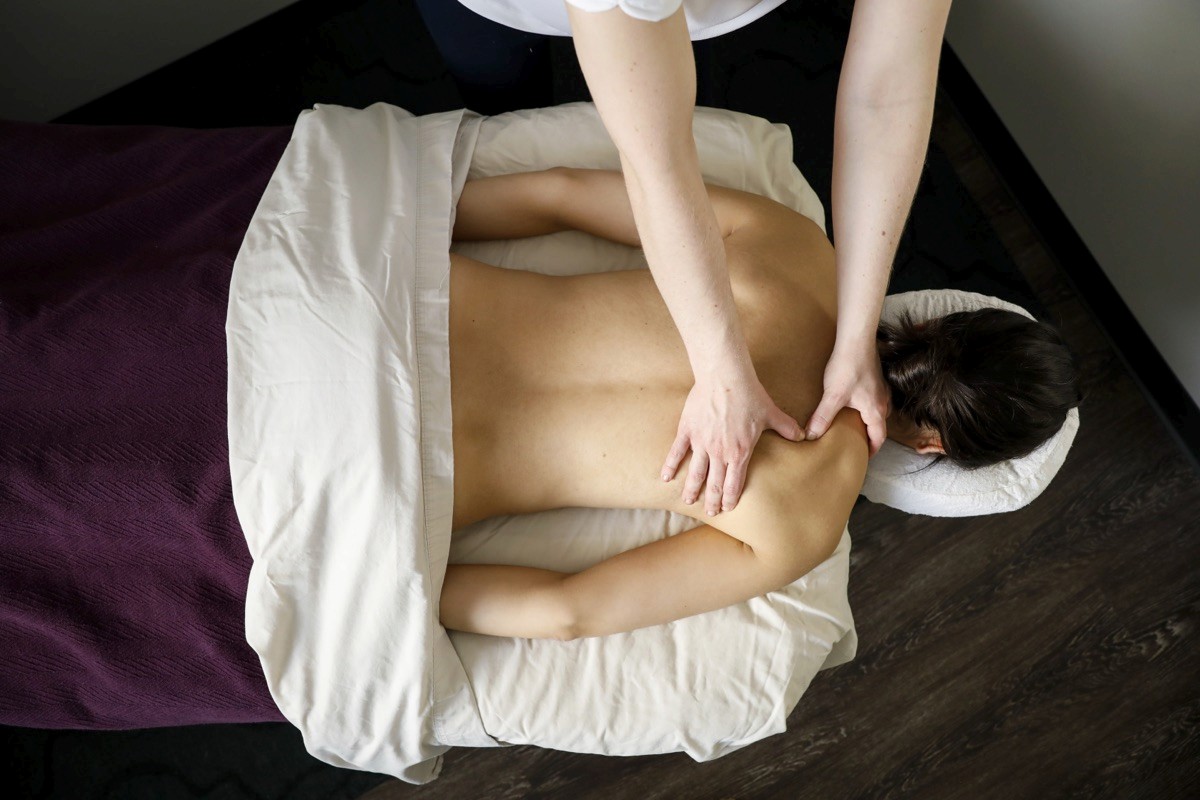
The practitioner's goal is to bring the body into a state of balance by improving the movement of qi and blood through the channels. Treatment begins with questions about your health, sleep, digestion, stress levels, energy, and areas of pain or tension, followed by observation and palpation of the body. Acupuncture may be combined with therapies such as cupping, gua sha, massage, moxibustion, or motor point needling to help restore circulation and healthy movement.
One of the unique aspects of Chinese medicine is that the diagnostic process is often part of the treatment itself. Through conversation, observation, and touch, people often become more aware of the connections between their symptoms, stress, habits, and overall health. The goal is not only to relieve symptoms, but to help people better understand their bodies and support lasting change.
Some History
This way of viewing the human body comes from a basic understanding of humans as an extension of the natural world, influenced by the same forces that govern the seasons, weather, and cycles of nature. The concepts of yin and yang (陰陽), qi, and the channels emerged from centuries of careful observation of these patterns.
Many of the surprising connections Chinese medicine makes between different symptoms are rooted in this interconnected worldview. At its heart, Chinese medicine sees health as a state of balance, adaptability, and free circulation. Acupuncture remains a simple, minimally invasive way to improve circulation, cultivate awareness, and support the body's natural capacity for healing.
If you're curious what a first session involves, I've written about what acupuncture feels like in more detail — or you can read about acupuncture at Resolution and book a consultation whenever you're ready.

William Black
Licensed Acupuncturist, MAc
William Black is a nationally certified acupuncturist with a Master's in Acupuncture from Pacific Rim College and a background in psychology. His practice draws on acupuncture, cupping, gua sha, moxibustion, and tuina bodywork to restore the body's internal balance. Will specializes in chronic pain, stress, anxiety, neurological conditions, and digestive health.